About Cylindrical Mould
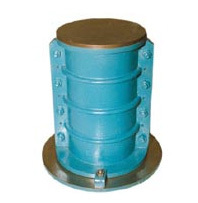
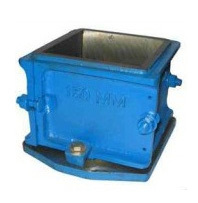
Making cylindrical things like pipes, tubes, and other cylindrical shapes requires the use of a cylindrical mould. It can be used in a range of industries for a variety of purposes and is often composed of metal or plastic. The outer mould and the inner mould are the two components that make up the cylindrical mould. The outside mould, which is commonly constructed of either metal or plastic, is the portion that is visible once the thing is finished.
Precision and Durability CombinedDesigned for accuracy and longevity, the cylindrical mould is built from premium cast iron or mild steel, ensuring a rigid construction. Its corrosion-resistant, smooth machined finish not only improves durability but also guarantees precise specimen formation for reliable testing outcomes every time.
Simple Assembly and Hassle-Free CleaningThis mould features a split design with a detachable base plate, along with user-friendly screws and handles, allowing effortless assembly, tightening, and dismantling. Its modular construction facilitates fast, thorough cleaning, supporting repeated usage under standard laboratory and field conditions.
Adheres to International StandardsEach cylindrical mould complies with IS 10086 and ASTM C470/C470M, making it suitable for high-standard laboratory and field tests. The design supports concrete and cement sample preparation meeting accuracy and performance expectations required by professionals globally.
FAQ's of Cylindrical Mould:
Q: How is the cylindrical mould assembled and disassembled for use?
A: The mould is designed with a split construction and a detachable base plate. Screws and tightening handles provide straightforward assembly and disassembly, making it easy to switch between sample preparations or to thoroughly clean the mould after each use.
Q: What materials are used in the construction of this cylindrical mould, and why?
A: The mould is manufactured from cast iron or mild steel, selected for their high durability, rigidity, and corrosion resistance. This ensures a long service life even with intensive repeated laboratory or field testing.
Q: When should this mould be used in concrete or cement testing?
A: This mould is ideal during the preparation phase for compression testing of concrete or cement samples. It meets the dimensional and performance requirements set by IS 10086 and ASTM C470/C470M, applicable to standard laboratory and field testing settings.
Q: Where can this mould be operated and mounted?
A: The cylindrical mould can be placed on either the floor or a tabletop, as desired. It is suitable for standard laboratory conditions and field environments, given its robust construction and ease of operation.
Q: What sizes of specimens can be prepared with this mould?
A: The standard mould accommodates specimens with 150 mm internal diameter by 300 mm height, with an alternative option for 100 mm diameter by 200 mm height. It has a capacity of up to 3 liters, making it versatile for various testing needs.
Q: What is the recommended cleaning process for the cylindrical mould?
A: After dismantling the split mould, thoroughly clean each component using appropriate laboratory cleaning agents and ensure all residue is removed. Its smooth surface makes the process easy, helping to maintain accuracy and prolong the mould's lifespan.
Q: What benefits does this cylindrical mould offer for laboratory testing?
A: The mould delivers accurate, repeatable results, is quick to assemble and clean, and can be reused multiple times without degradation. Its compliance with international standards ensures testing consistency, while its rugged, corrosion-resistant build supports a long service life.

 Send Inquiry



 Send Inquiry


 Send Inquiry


