About Vane Shear Apparatus
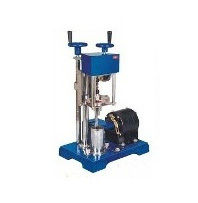
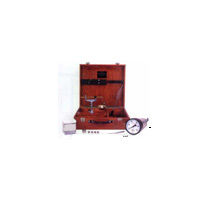
Vane shear apparatus can assess the shear strength of various materials. A vane with a blade is the main component of the apparatus, and it is introduced into the substance to be evaluated. The force necessary to prevent the vane from rotating is then measured as the vane is turned at a steady speed. The force necessary to prevent the vane from rotating is then used to compute the material's shear strength. The vane shear apparatus, which is especially helpful for soils with low shear strength, tests the shear strength of cohesive soils.
Reliable Soil Shear Strength TestingEngineered for accuracy and robustness, the Vane Shear Apparatus enables precise laboratory assessment of undrained shear strength in cohesive soils. Its automatic operation, analog dial gauge, and instant response deliver consistent results, ensuring dependable data for geotechnical analysis. The versatile table-top design and multiple vane size options make it suitable for a range of specimen conditions.
User-Friendly and Safe OperationSafety guards protect the user from moving parts, while the rugged construction and mild steel body guarantee durability. The manual/mechanical control mode allows for straightforward, intuitive handling during testing. With clearly marked dials and a stable electric power supply (230 V, 50 Hz), it ensures operator safety and convenience.
FAQ's of Vane Shear Apparatus:
Q: How does the Vane Shear Apparatus operate for soil strength testing?
A: The apparatus operates by inserting a vane of selected size into a cohesive soil specimen (38 mm diameter x 75 mm height), then applying rotational torque via a single-phase motor. The precision dial gauge measures the torque at failure, allowing accurate calculation of the soil's undrained shear strength.
Q: What types of specimens are suitable for this Vane Shear Apparatus?
A: This equipment is designed for cohesive soil specimens, typically with a size of 38 mm diameter and 75 mm height. Multiple vane sizes provide flexibility to accommodate different soil strengths and conditions within the measuring range of 0-2.5 kg/cm2.
Q: When should the Vane Shear Apparatus be used in laboratory testing?
A: The device should be used when determining the undrained shear strength of cohesive soils, especially in geotechnical investigations for foundations, embankments, or slope stability where soil strength parameters are essential.
Q: Where can the Vane Shear Apparatus be installed?
A: The apparatus is intended for laboratory use and can be conveniently mounted on a tabletop due to its compact, portable design with a maximum height of approximately 40 cm and a weight of 15-20 kg.
Q: What is the benefit of using the precision ball bearing and automatic motor drive?
A: Precision ball bearings ensure smooth, frictionless rotation of the vane, resulting in higher measurement accuracy. The automatic motor drive offers consistent rotation speed (0.1 mm/min), reducing operator error and enhancing repeatability of results.
Q: How is torque measured and accuracy maintained with this apparatus?
A: The instrument uses a calibrated analog dial gauge to measure the applied torque, with a high accuracy of 1% and resolution of 0.01 kg/cm2. Regular calibration and compliance with IS:2720 (Part 30)/BS 1377 standards ensure reliable and accurate measurements.

 Send Inquiry



 Send Inquiry


 Send Inquiry


