About Asphalt Compactor
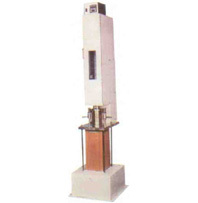
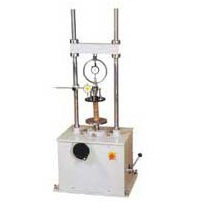
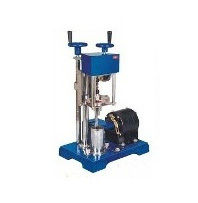
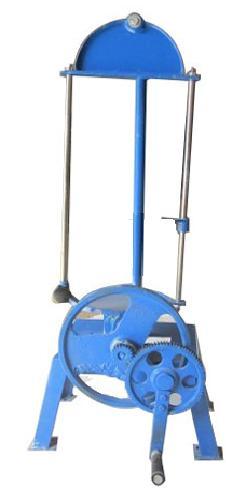
Asphalt compactor is a device that compacts asphalt. Asphalt is frequently compacted with it when roads and parking lots are built or repaired. The asphalt is compressed by the compactor using a vibrating, pressurised plate. They level the soils surface by ruthlessly applying several impacts over a short period of time. The purpose of rammers and plate compactors is to crush loose soils and gravel in order to minimise settling and to create a hard, stable platform for the installation of footings, concrete slabs, foundations, and pipework.
Robust & Safe ConstructionCrafted with stainless steel and a powder coated body, this compactor ensures durability and resistance against dust and vibration, providing long-lasting performance in demanding laboratory environments. Integrated safety mechanisms, including an emergency stop button and overload protection, safeguard both users and specimens during operation.
Advanced Control & VersatilityThe system features variable-speed control, digital and analog interfaces, and allows for seamless transitions between automatic and manual operation modes. With a test stroke of up to 100 mm and force up to 100 kN, it ensures high flexibility for diverse asphalt compaction needs, all monitored with one-second response time for real-time accuracy.
FAQ's of Asphalt Compactor:
Q: How is the Asphalt Compactor operated in the laboratory setting?
A: The Asphalt Compactor can be operated through both automatic and manual control modes using an easy-to-use panel interface. This allows lab technicians to adjust compaction parameters and speeds as needed for their specific testing requirements.
Q: What safety features are built into the compactor to ensure user protection?
A: The compactor is equipped with essential safety features such as an emergency stop button and overload protection, providing immediate response to unforeseen situations and safeguarding both the user and the equipment.
Q: When should I use the vibratory or static compaction mode?
A: Vibratory mode is ideal for simulating real-world conditions typically seen in field compaction, while static mode provides controlled force application for precision testing. Selection depends on the test standard or application requirements.
Q: Where can this compactor be installed and used?
A: Designed as a floor-mounted unit with dust and vibration resistance, it is perfectly suited for laboratory environments where precision testing of asphalt specimens is conducted according to international standards.
Q: What is the process for testing asphalt specimens with this equipment?
A: Specimens are placed in the mould cavity, and compaction is performed using pre-set parameters for speed and force. The machine supports one specimen at a time, with digital controls ensuring accurate testing as per ASTM and AASHTO standards.
Q: What are the primary benefits of using this Asphalt Compactor?
A: The main benefits include high durability, low noise operation, digital accuracy, compliance with industry standards, and robust safety protocols, ensuring consistent, reliable results and operator safety.

 Send Inquiry



 Send Inquiry


 Send Inquiry


