About High Speed Centrifuge
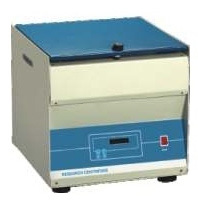
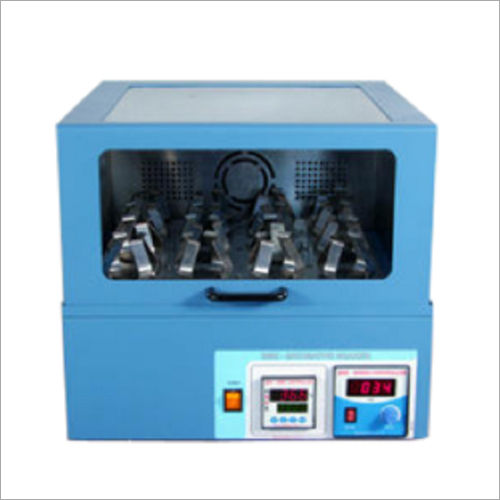
High speed centrifuge is a mechanical apparatus used to separate particles or substances with varying densities. Centrifugal force, which is produced by the centrifuge, can be used to separate materials with various densities. Several industries, including the food and beverage, pharmaceutical, environmental, and chemical sectors, use this product. It is mostly employed in scientific research, instruction, and production fields like biochemistry, genetic engineering, forestry, agriculture, and hospital medicine. High speed centrifuge is appropriate for the quick synthesis and separation of micro samples.
Precision and PerformanceThis high speed centrifuge is engineered for accuracy and versatility. Its digital control panel allows users to precisely set speeds between 500 and 16,000 RPM, and the LED display provides clear operational feedback. The system supports programmable speed and time, making it ideal for a wide range of scientific protocols and laboratory applications.
Safety and Reliability FirstSafety is enhanced by an automatic lid interlock, emergency stop function, and imbalance detection, reducing the risk of accidents. The quiet operation (below 60 dB) and sturdy stainless steel construction ensure reliable performance, even during extended procedures. Its compact, rectangular shape fits seamlessly into any modern laboratory environment.
Flexible Capacity and ApplicationWith the option to use either 24 x 15 ml tubes or 12 x 50 ml tubes, this centrifuge is suitable for diverse laboratory tasks such as biological sample processing and chemical separation. Its 4-liter capacity and robust power system (750 W, 220 V AC) support continuous, high-throughput use, making it a valuable asset for researchers and technicians.
FAQ's of High Speed Centrifuge:
Q: How do I operate the high speed centrifuge for optimal results?
A: To operate the centrifuge, load your samples in the appropriate rotor and tubes, ensuring proper balance. Set the desired speed (500-16,000 RPM) and timer (up to 99 minutes) using the digital control panel. The LED display provides real-time status. Close the lid securely; the automatic lock activates for safety. Start the run and monitor the process through the display.
Q: What safety features does this centrifuge offer?
A: The centrifuge includes an automatic lid interlock that prevents operation unless the lid is securely closed, an emergency stop button for immediate shutdown, and imbalance detection to prevent damage or accidents during runs. These safeguards help protect both the user and samples.
Q: Where can this centrifuge be used, and under what conditions?
A: This equipment is designed for laboratory environments where temperatures range from 10C to 40C and humidity remains below 80% RH. Its compact design allows it to fit on standard laboratory benches, making it suitable for educational, research, and industrial labs.
Q: What types of tubes and capacities does the centrifuge support?
A: The high speed centrifuge can accommodate 24 tubes of 15 ml each or 12 tubes of 50 ml each, giving flexibility for different sample sizes and protocols. Its total capacity is 4 liters, making it suitable for both small and bulk sample processing.
Q: When should I use the emergency stop function?
A: The emergency stop should be used immediately if there are signs of mechanical issues, sample imbalance, or any unsafe situation during operation. Pressing this button will bring the rotor to a rapid halt and disengage the motor, ensuring user safety.
Q: What are the benefits of the angle rotor design?
A: An angle rotor enables efficient separation by holding tubes at a fixed angle, increasing sedimentation rates and allowing for rapid and effective biological and chemical separation. This design also helps accommodate high-speed applications and optimizes sample yield.
Q: How do I maintain the centrifuge for long-term use?
A: Regularly clean the rotor, chamber, and exterior surfaces with approved laboratory disinfectants. Inspect seals, the lid lock mechanism, and rotor bores for wear. Routine checks ensure the instrument remains reliable and safe for extended use. Refer to the manufacturer's guide for specific maintenance intervals.

 Send Inquiry



 Send Inquiry


 Send Inquiry


