About Electronic Balance
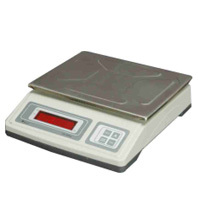
Electronic Balance that is broadly required to measure small mass in the sub-milligram range. The measuring pan of an analytical balance is designed inside a transparent enclosure with doors that ensures that dust is not accumulated so any air currents in the room do not affect the balance's operation. Designed with high end material of construction, this electronic balance is an external calibration weight free with scale is accessible in different weighing capacities.Precision and Efficiency for Laboratory TasksThis digital weighing balance combines rapid stabilization ( 3 seconds) with superior accuracy (0.01 g) to optimize workflow in laboratories, pharmacies, and industrial settings. With its stainless steel pan and sturdy ABS plastic construction, users benefit from both durability and hygienic maintenance. The tactile keypad and high contrast LCD display ensure effortless control and easy-to-read measurements, streamlining the weighing process for both solids and liquids.
User-Friendly Features and Safe OperationDesigned with practical features like tare function, auto calibration, and overload protection, this electronic balance supports secure and convenient weighing. Its compact rectangular shape and external calibration allow quick adaptability across diverse applications, while the optional RS-232 interface enables efficient data transfer and record-keeping when required. The unit's operating range of 0C to 40C and humidity resistance below 80% RH cater to varied laboratory environments.
FAQ's of Electronic Balance:
Q: How do I calibrate the electronic balance for accurate measurements?
A: This electronic balance uses an external calibration system. To calibrate, use certified calibration weights as per the manufacturer's instructions and follow the prompts on the tactile keypad. Regular calibration ensures precise and reliable measurement results.
Q: What is the benefit of using an electronic balance with a 0.01 g readability?
A: A 0.01 g readability provides high accuracy, making this balance ideal for tasks that require precise measurements, such as preparing chemical solutions, weighing pharmaceuticals, and conducting laboratory analysis.
Q: Where can I use this electronic balance?
A: The balance is suitable for laboratories, pharmacies, and various industries. Its compact size and robust design make it versatile for bench-top use in research institutions, quality control labs, or production lines.
Q: What is the process for weighing solids and liquids using this equipment?
A: To weigh solids, place the sample directly on the pan. For liquids, use an appropriate container, utilize the tare function to zero the container's weight, and then add the liquid. The high contrast LCD display will show the measured value clearly.
Q: When should I use the overload protection feature?
A: Overload protection is an automatic feature designed to safeguard the balance. If the load exceeds the 600 g capacity, the system will alert you to remove excess weight, preventing damage and ensuring longevity of the equipment.
Q: How does the RS-232 interface benefit laboratory operations?
A: The optional RS-232 interface enables direct connection to computers or printers for data transfer and documentation. This is useful in settings where measurement data needs to be recorded electronically for analysis or regulatory compliance.

 Send Inquiry



 Send Inquiry


 Send Inquiry


