About Bundesmann Apparatus
Bundesmann apparatus is a laboratory equipment used to measure the boiling point of liquids. It is made up of a thermometer and a glass test tube. The thermometer is placed into the test tube after it has been filled with the liquid sample. The thermometer is then heated until the liquid reaches the boiling point. The boiling point of the liquid is then determined by taking note of the temperature. Bundesmann apparatus aids the scientists and researchers determining the boiling point of a liquid sample precisely and conveniently.
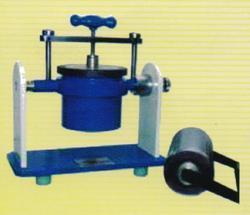
Comprehensive Water Repellency TestingThe Bundesmann Apparatus enables precise assessment of textile water resistance under standardized conditions. With fixed operating parameters, it simulates natural rainfall to determine fabric performance, making it an essential tool for quality assurance in textile manufacturing and research laboratories. Its compliance with international testing standards ensures trustworthy and comparable results.
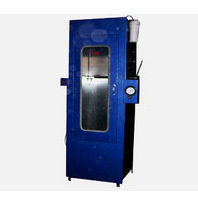
Robust and User-Friendly DesignBuilt with a stainless steel specimen holder, powder-coated finish, and front-facing acrylic observation window, the apparatus prioritizes durability and ease of use. It features a manual cleaning system, integrated drip tray for water collection, and casters for mobility, making maintenance and operation straightforward for laboratory technicians.
Automated Operation for Consistent ResultsThe Bundesmann Apparatus operates automatically in accordance with recognized test standards, reducing user intervention and ensuring repeatability. The manual control mode allows easy setup and test management, while visual assessment and weighing provide measurement accuracy. Test duration can be set using mechanical or digital timers, depending on the model selection.
FAQ's of Bundesmann Apparatus:
Q: How does the Bundesmann Apparatus assess water repellency in textiles?
A: This apparatus simulates rainfall by spraying water on fabric specimens through 0.9 mm nozzles at a standard flow rate of 500 ml/min/nozzle. Results are determined by visually assessing and weighing the samples after testing, revealing water absorption and penetration levels.
Q: What types of textiles can be tested using the Bundesmann Apparatus?
A: The apparatus is mainly used for evaluating weatherproof and outdoor fabrics, but it is applicable to any textile requiring measurement of water repellency or resistance, as required in industrial and textile laboratory environments.
Q: When should I use this machine in the textile testing process?
A: It should be employed during quality assurance, product development stages, or regular compliance testing, especially when verifying conformity to ISO 9865, DIN 53888, and EN ISO 9865 water repellency standards.
Q: Where is the Bundesmann Apparatus typically installed and used?
A: This floor-standing machine is designed for indoor use in textile research laboratories, industrial quality control facilities, and manufacturing sites where space and standard electric supply (230V AC, 50 Hz) are available.
Q: What is the typical testing process with the Bundesmann Apparatus?
A: Four textile specimens are mounted on stainless steel holders, placed under the spray nozzles, and subjected to water for a fixed period. After the test, specimens are visually assessed and weighed manually to quantify water absorption and penetration.
Q: How does the observation window benefit the user during testing?
A: The front-facing acrylic observation window allows operators to closely monitor the testing process in real time, ensuring accurate assessment and easier handling of specimens during setup, operation, and cleaning.
Q: What are the key benefits of using this apparatus for textile testing?
A: Its standardized operation, reliable construction, and compliance with global testing regulations deliver precise and repeatable results, enhancing quality control efficiency and supporting the development of high-performance, weather-resistant textiles.

 Send Inquiry



 Send Inquiry


 Send Inquiry


