About Refrigerated Centrifuge
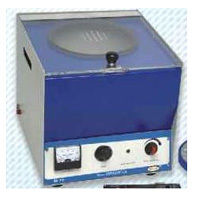
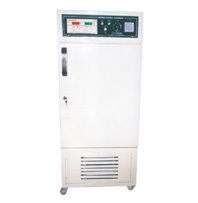
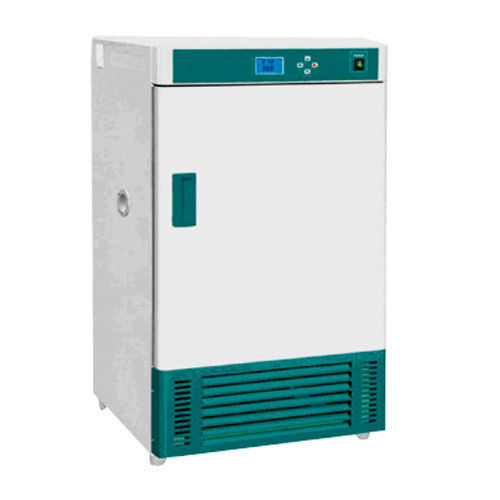
Refrigerated centrifuge uses a refrigeration system to keep its contents cool. It is frequently used to separate various molecules or prevent samples from deteriorating. Microliter temperature-sensitive heterogeneous mixes or samples are separated using this device. High-speed rotation of the samples put in a rotor is how this device operates. Refrigerated centrifuge is a medium-capacity centrifuge used for the separation of millilitre samples that are sensitive to temperature. The samples inserted into the various rotor types are spun at high speed by this device to operate.
Precision Temperature Control and Quiet OperationOperate your laboratory protocols with confidence using a centrifuge that maintains temperatures from -20C to +40C, keeping sensitive samples stable. The device's quiet operation, with noise levels below 60 dB, ensures a comfortable work environment, even during prolonged use.
Versatile Rotor Compatibility and Easy ProgrammingThis centrifuge accommodates both swing-out and fixed-angle rotors, allowing users to process a wide variety of sample types. The user-friendly digital control panel and LED display make setting parameters easy, while up to 99 programmable cycles streamline workflow efficiency.
Robust Safety Features and Durable BuildSafety is paramount, with over-speed, over-temperature, and automatic imbalance protection. The corrosion-resistant stainless steel chamber and powder-coated metal body ensure long-term durability, even in environments with up to 80% relative humidity.
FAQ's of Refrigerated Centrifuge:
Q: How do I program and run a cycle on this refrigerated centrifuge?
A: To program a cycle, use the digital control panel to set your desired speed, temperature, timer range (1-99 minutes), and program number. Up to 99 cycles can be stored, and parameters are displayed clearly on the LED digital display. Once set, press the start button to initiate centrifugation.
Q: What types of samples and rotors can be used with this centrifuge?
A: The centrifuge is ideal for biological samples that require temperature control during separation. It supports both swing-out and fixed-angle rotors, enhancing its versatility to accommodate tubes, microplates, and other laboratory vessels.
Q: When should I use the refrigeration function of the centrifuge?
A: Activate the refrigeration function when working with temperature-sensitive biological samples such as proteins, enzymes, or cells. The system allows precise temperature regulation from -20C to +40C, protecting sample integrity throughout the run.
Q: Where can this centrifuge be installed and used?
A: The centrifuge is designed for laboratories in research, clinical, academic, and industrial settings. Its compact, rectangular footprint (550 x 640 x 370 mm) and moderate weight (approx. 60 kg) allow installation on standard laboratory benches.
Q: What safety features are included to protect users and samples during operation?
A: Key safety features include over-speed, over-temperature, and imbalance protection, as well as automatic lid lock, emergency lid release, and imbalance detection. These systems safeguard both the user and your samples during operation.
Q: How does the eco-friendly, CFC-free refrigerant benefit laboratory operations?
A: The use of a CFC-free refrigerant ensures compliance with environmental safety standards, making the centrifuge an eco-friendly choice that reduces harmful emissions without compromising cooling performance.
Q: What is the maintenance process for the stainless steel chamber and rotors?
A: Routine maintenance involves wiping the corrosion-resistant stainless steel chamber with a non-abrasive cleaner and inspecting rotors for wear or residue. Regular checks ensure longevity and reliable performance.

 Send Inquiry



 Send Inquiry


 Send Inquiry


