About Elmendorf Tearing Testers
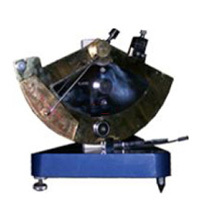
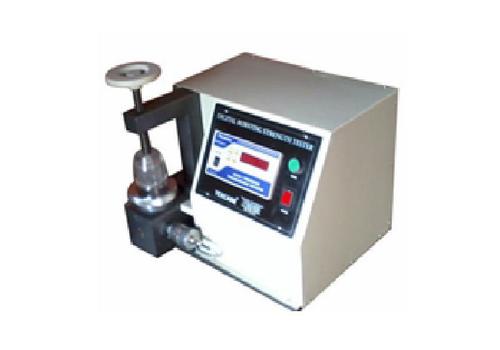
Elmendorf Tearing Testers are laboratory instruments used to measure the tearing strength of paper, plastic films, textiles, and other materials. The tester works by cutting a specific shape in the material and then applying a force perpendicular to the cut to tear it. The force required to tear the material is recorded in grams or Newtons, and the tearing resistance of the material is calculated based on the length and shape of the cut.
The Elmendorf Tearing Tester is a widely used instrument in the paper, packaging, and textile industries for quality control and product development. It can perform various tearing tests, such as single-tear, multiple-tear, and trapezoidal-tear tests, to evaluate the strength and durability of the material. The tester can also calculate various properties such as tearing strength, tearing energy, and tear propagation resistance.
Robust and Reliable Tearing Strength MeasurementEngineered for precise tearing testing, this Elmendorf Tester combines durability with accuracy. Furnished with interchangeable brass or stainless steel weights, its powder-coated mild steel base ensures stability during testing. The tester guarantees consistent, repeatable results, making it an essential instrument in quality control laboratories and industrial settings.
Easy Operation and Safety AssuredWith an intuitive manual and mechanical operation, users benefit from the quick-action clamping mechanism and high-precision, replaceable cutting blade. Safety is maximized by integrated features like the pendulum lock and finger protection shield, ensuring a secure testing environment for the operator.
Versatile Application and ComplianceThis tester accommodates single specimens of up to 63 x 76 mm, with selectable capacities (1600, 3200, or 6400 gf) depending on model. It's designed to comply with globally recognized ASTM, ISO, and TAPPI standards, providing reliable data essential for product development, conformity, and quality assurance.
FAQ's of Elmendorf Tearing Testers:
Q: How is the Elmendorf Tearing Tester operated?
A: The tester operates manually using a swinging pendulum mechanism. Specimens are clamped using quick-action clamps, the pendulum is released, and tearing strength is immediately indicated on the analog or dial display. Automated features enable precise and efficient testing.
Q: What materials can be tested with this Elmendorf Tearing Tester?
A: It is suitable for a wide range of materials, including paper, textiles, films, and similar sheet-like products. Adjustable test ranges and specimen sizes allow for versatile use across multiple applications.
Q: When is calibration necessary for accurate results?
A: Calibration should be performed regularly and whenever the instrument or weights are changed. The tester is supplied with calibration weights for easy calibration, ensuring compliance with test standards and consistent accuracy.
Q: Where should the Elmendorf Tearing Tester be installed?
A: Installation is recommended on a stable bench in a laboratory or controlled environment, maintaining a temperature of 23C 1C and regulated humidity to ensure optimal accuracy and repeatability.
Q: What is the process for conducting a tear test?
A: Mount the prepared specimen in the clamps, select the appropriate pendulum weight, ensure safety features are engaged, and release the pendulum. The tearing force is displayed immediately, and results can be recorded for analysis or quality control.
Q: How does the quick-action clamping mechanism benefit usage?
A: The quick-action clamps allow fast and secure specimen mounting, minimizing preparation time and improving efficiency. This mechanism also ensures consistent positioning, crucial for repeatable and reliable test results.
Q: What advantages does this tester offer to manufacturers and laboratories?
A: Manufacturers and laboratories benefit from its robust construction, compliance with international standards, selectable test capacities, high accuracy, and enhanced user safety features. The tester supports efficient quality assurance and product development workflows.

 Send Inquiry



 Send Inquiry


 Send Inquiry


