About Digital Uv Vis Spectrophotometer
Digital UV-Vis spectrophotometer is a laboratory instrument used to measure the absorbance or transmission of light by a sample in the ultraviolet (UV) and visible (Vis) regions of the electromagnetic spectrum. It is widely used in analytical chemistry, biochemistry, and materials science for a wide range of applications, including quantitative analysis, purity testing, and kinetics measurements.
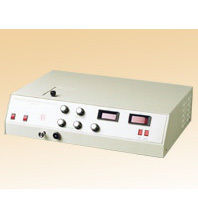
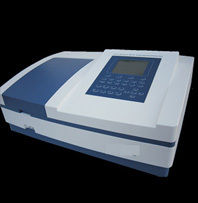
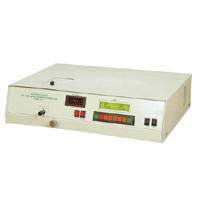
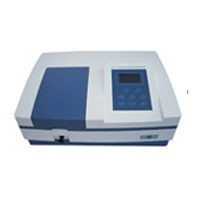
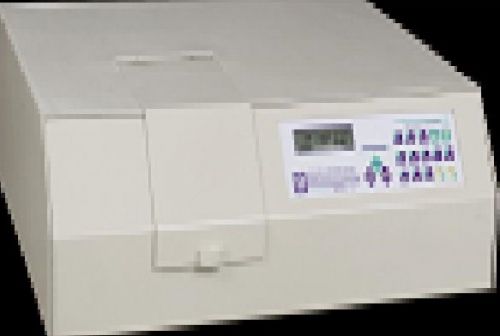
The digital UV-Vis spectrophotometer consists of a light source that emits a broad spectrum of light, a monochromator that selects a specific wavelength of light, a sample compartment that holds the sample, and a detector that measures the amount of light transmitted or absorbed by the sample. The instrument has a digital display and controls for setting the wavelength, selecting the measurement mode, and analyzing the data.
Accurate & Reliable PerformanceEngineered with a single beam, grating monochromator, and dual light sources, the Digital UV-Vis Spectrophotometer delivers outstanding wavelength accuracy and photometric precision. Its spectral bandwidth of 2 nm, coupled with minimal stray light, ensures high-quality data for both qualitative and quantitative analyses.
User-Friendly OperationEquipped with an automatic control mode and digital LED display, this spectrophotometer streamlines laboratory workflows. The intuitive interface, automatic wavelength adjustment, and compact benchtop design facilitate effortless sample measurements for both novice and experienced users.
Versatile Laboratory ApplicationsDesigned for multiple applications, the instrument serves research, clinical, and industrial labs, accommodating standard 10 mm cuvette samples. Its high sensitivity and broad measuring range make it ideal for various chemical and biological assays, benefitting scientists seeking dependable results.
FAQ's of Digital Uv Vis Spectrophotometer:
Q: How does the Digital UV-Vis Spectrophotometer ensure measurement accuracy?
A: The device utilizes a single beam, grating monochromator optical system, and precise digital auto-control for automatic wavelength adjustment. This combination delivers a wavelength accuracy of 1 nm and photometric accuracy of 0.5% T, ensuring reliable and reproducible results.
Q: What types of analysis can be performed with this spectrophotometer?
A: The instrument supports both qualitative and quantitative chemical analyses, covering a broad range of applications in environmental science, biochemistry, clinical diagnostics, and research, using samples in the UV-Vis range from 190 nm to 1000 nm.
Q: When should the light source lamps be replaced?
A: The deuterium lamp typically lasts about 1,500 hours, while the tungsten lamp has an expected life of approximately 2,000 hours. Replace the lamps when light intensity decreases significantly or when the system signals reduced performance.
Q: Where is this spectrophotometer best utilized?
A: This spectrophotometer is ideally suited for laboratory, research institution, academic, and industrial environments where precise spectrophotometric measurements are needed for various analytical applications.
Q: What is the process for sample measurement with this instrument?
A: Place the sample in a standard 10 mm path-length cuvette, insert it into the sample compartment, and use the digital display to select the required wavelength. The automatic controls and digital readout streamline the measurement and data collection process.
Q: How does the digital control enhance operation?
A: Digital auto-control and LED display enable automatic wavelength adjustments, fast response times (<2 seconds), and easy-to-read results, reducing manual error and increasing operational efficiency.
Q: What are the key benefits of using this spectrophotometer in the lab?
A: The primary benefits include accurate, rapid measurements, ease of use (automatic controls), reliable performance with high repeatability, compact design for benchtop use, and suitability for a wide variety of analytical tasks in both research and routine laboratory settings.

 Send Inquiry



 Send Inquiry


 Send Inquiry


