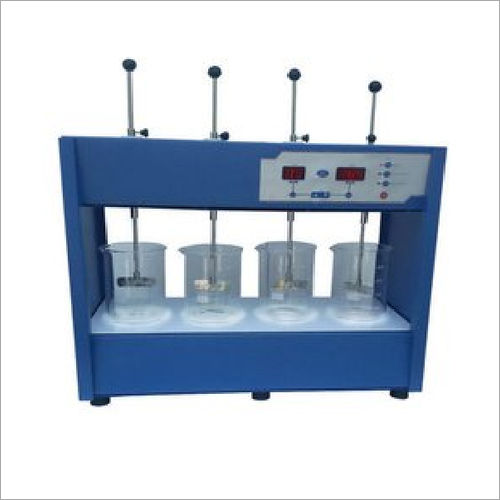
About DIGITAL TURBIDEZ METER
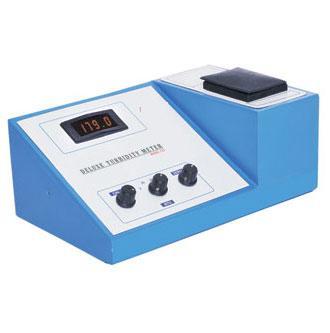
Digital turbidity meter is a device used to measure the clarity of a liquid by determining the amount of suspended particles in the liquid. It works by shining light through a sample of the liquid and measuring the amount of light scattered by the particles in the liquid. The amount of light scattered is directly proportional to the concentration of particles in the liquid, which is then displayed on a digital readout. Digital turbidity meters are commonly used in water treatment plants, breweries, and other industries where the clarity of a liquid is important.
Advanced Turbidity MeasurementThe Digital Turbidez Meter combines high sensitivity and rapid response to deliver precise water turbidity readings. Its infrared LED lamp enhances measurement accuracy, while the digital LED display allows users to receive results within seconds. Designed for use in laboratories, this compact device ensures efficient performance and easy handling.
Effortless Calibration and OperationCalibration is user-friendly with four standard formazin solutions, ensuring reliable output across the 0-1000 NTU range. The meter is equipped with manual reading functionality, digital button controls, and a clear display for straightforward use. Lightweight and powered by standard AC supply, it is engineered for portability and consistent operation.
FAQ's of DIGITAL TURBIDEZ METER:
Q: How do I calibrate the Digital Turbidez Meter?
A: Calibration is performed using the provided formazin standards (0, 100, 400, and 800 NTU). Place the calibration solution in the standard cuvette, run the calibration process according to the device's manual, and follow the digital button prompts on the LED display for accurate calibration.
Q: What is the recommended sample volume for accurate turbidity measurement?
A: The device is optimized for sample volumes less than 30 ml using the standard cuvette provided with the measurement kit. This ensures precise readings and ease of handling during measurement.
Q: When should I recalibrate the turbidity meter?
A: Recalibration should be conducted regularly, especially before performing critical measurements, after sensor cleaning, or when readings appear inconsistent. The frequency may vary based on usage and laboratory protocols.
Q: Where should the Digital Turbidez Meter be stored when not in use?
A: Store the meter in a dry, cool place, ideally away from humidity exceeding 85% RH, and at temperatures between 0C and 50C. Proper storage ensures the longevity and accuracy of the instrument.
Q: What is the process for measuring turbidity with this device?
A: Begin by calibrating the meter with the appropriate standard. Insert less than 30 ml of water sample into the clean cuvette and place it in the sample holder. Select settings using the digital buttons, and read results manually from the LED display in under 10 seconds.
Q: What are the benefits of using a high-intensity infrared LED light source?
A: A high-intensity infrared LED light enhances sensitivity and accuracy in detecting turbidity across a wide range, reducing interference from visible color in the sample and providing consistent, reliable readings.

 Send Inquiry



 Send Inquiry


 Send Inquiry


