About Ramsbottom Carbon Residue Apparatus
Ramsbottom Carbon Residue Apparatus
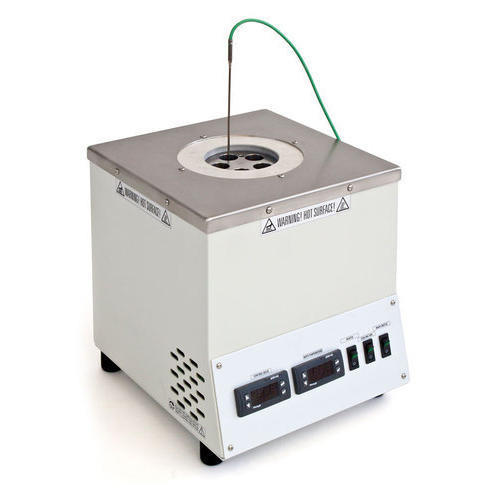
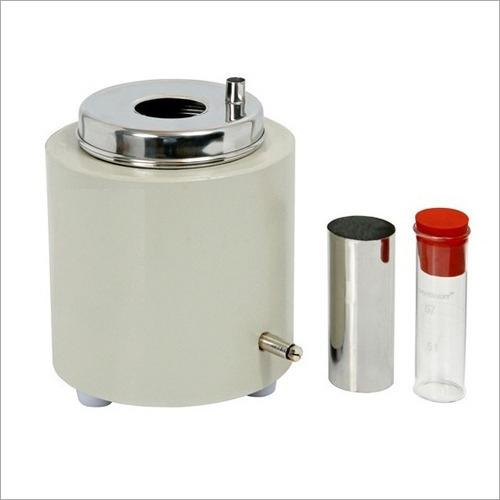
Ramsbottom Carbon Residue Apparatus is used to determine the amount of carbon deposit when an oil is evaporated under a specified condition. The Carbon residue values or crude oil, residue etc. are useful in the manufacture of various lubricants. The Apparatus consists of Spun Sheet Iron Crucible 25 cc capacity, sheet iron hood and sheet iron block on a stand with triangular wire bridge.
Efficient Carbon Residue MeasurementThe Ramsbottom Carbon Residue Apparatus offers precise measurement of carbon residue in petroleum products. Its robust steel construction and electric heating ensure reliability even at high temperatures, supporting laboratories in maintaining analytical accuracy.
Designed for Laboratory ExcellenceCrafted for laboratory use, the apparatus boasts a 5 kg/hr capacity and temperature range up to 1200C. It's suitable for regular testing and research, making it a staple equipment in quality control and scientific investigation centers.
FAQ's of Ramsbottom Carbon Residue Apparatus:
Q: How does the Ramsbottom Carbon Residue Apparatus operate?
A: The apparatus functions by heating the sample at temperatures between 650C and 1200C, decomposing its components and leaving carbon residue behind. The residue amount is then measured to evaluate the carbon content in the tested sample.
Q: What materials can be tested with this apparatus?
A: This device is primarily designed for use with petroleum products in laboratories, but it can also be utilized for similar substances requiring precise residue determination under controlled, high-temperature conditions.
Q: When should I use the Ramsbottom Carbon Residue Apparatus?
A: It is best employed when there is a need to assess the carbon-forming tendency of petroleum samples. Routine usage includes quality checks, research tasks, and when evaluating fuels or lubricants for carbon content.
Q: Where is the apparatus typically used?
A: The equipment is commonly used in laboratory settings, particularly in industrial, research, and quality control labs related to petroleum and chemical industries across India and globally.
Q: What is the process involved in determining carbon residue?
A: A weighed sample is placed in a heating bulb, electrically heated to the specified temperature, causing decomposition. Any carbon residue formed is collected and measured for analysis.
Q: What are the benefits of using a steel, electric-powered apparatus?
A: The steel construction ensures durability and longevity, while the electric heating system delivers stable, precise temperature control, enhancing both safety and consistency during laboratory operations.

 Send Inquiry




 Send Inquiry


 Send Inquiry


