About Concrete Test Hammer (Small)
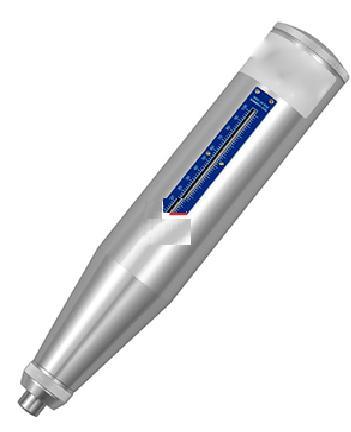
We are a reliable entity offering superior quality Concrete Test Hammer across the world. The equipment provided by us is widely used to test the strength of concrete. We provide this equipment in numerous models and technical specifications for our clients to choose from. Offered Concrete Test Hammer is manufactured under the proper guidance of our experienced professionals using premium quality components and advanced technology in tandem with predefined norms and policies.
Features:
-
High functionality
-
Sturdy structure
-
Easy to operate
-
Optimum performance
Effortlessly Assess Concrete StrengthThe Concrete Test Hammer (Small) provides an easy and reliable method for determining the compressive strength of concrete or rock through surface hardness tests. Its robust, high-strength aluminum alloy body and manual rebound hammer mechanism guarantee accurate and repeatable results, making it an essential tool for laboratory professionals seeking non-destructive testing methods.
High Precision and DurabilityDesigned for longevity and accurate measurements, the device features a mechanical pointer with an analog rebound value scale. The hammer delivers impact energy of 2.207J, covering a measuring range of 10-70 MPa. Its rugged build and included carrying case allow for frequent use and easy portability without compromising performance or calibration stability.
FAQ's of Concrete Test Hammer (Small):
Q: How do you operate the Concrete Test Hammer (Small)?
A: To operate the Concrete Test Hammer (Small), simply calibrate the device using the supplied anvil, then hold the hammer against the concrete specimen (minimum size 150 mm x 150 mm x 100 mm). Strike the surface by hand, and instantly read the rebound value from the mechanical pointer. No external power supply is needed.
Q: What is the main application of this rebound hammer?
A: The primary application is to non-destructively assess the compressive strength of concrete or rock. By measuring surface hardness, you gain insight into the structural integrity of the material without causing any damage.
Q: When should the Concrete Test Hammer be recalibrated?
A: The hammer should be recalibrated periodically, especially after prolonged use or if measurement discrepancies are observed. Use the included calibration anvil to ensure accuracy before starting a new series of tests.
Q: Where can this device be effectively used?
A: While specifically designed for laboratory environments, its portable and durable design allows it to be used at construction sites, material testing labs, and research facilities where concrete or rock strength evaluation is required.
Q: What is the process for interpreting the test results?
A: After manually striking the concrete specimen, observe the pointer position on the analog rebound value scale. The rebound value corresponds to the compressive strength of the material, typically interpreted using the included chart which relates rebound numbers to MPa values.
Q: What are the benefits of using a non-destructive test hammer compared to core sampling?
A: Non-destructive testing with the rebound hammer is quicker, safer, and preserves the integrity of the concrete specimen. It enables multiple tests across a large surface, providing a more comprehensive assessment without damaging the structure.

 Send Inquiry



 Send Inquiry


 Send Inquiry


